

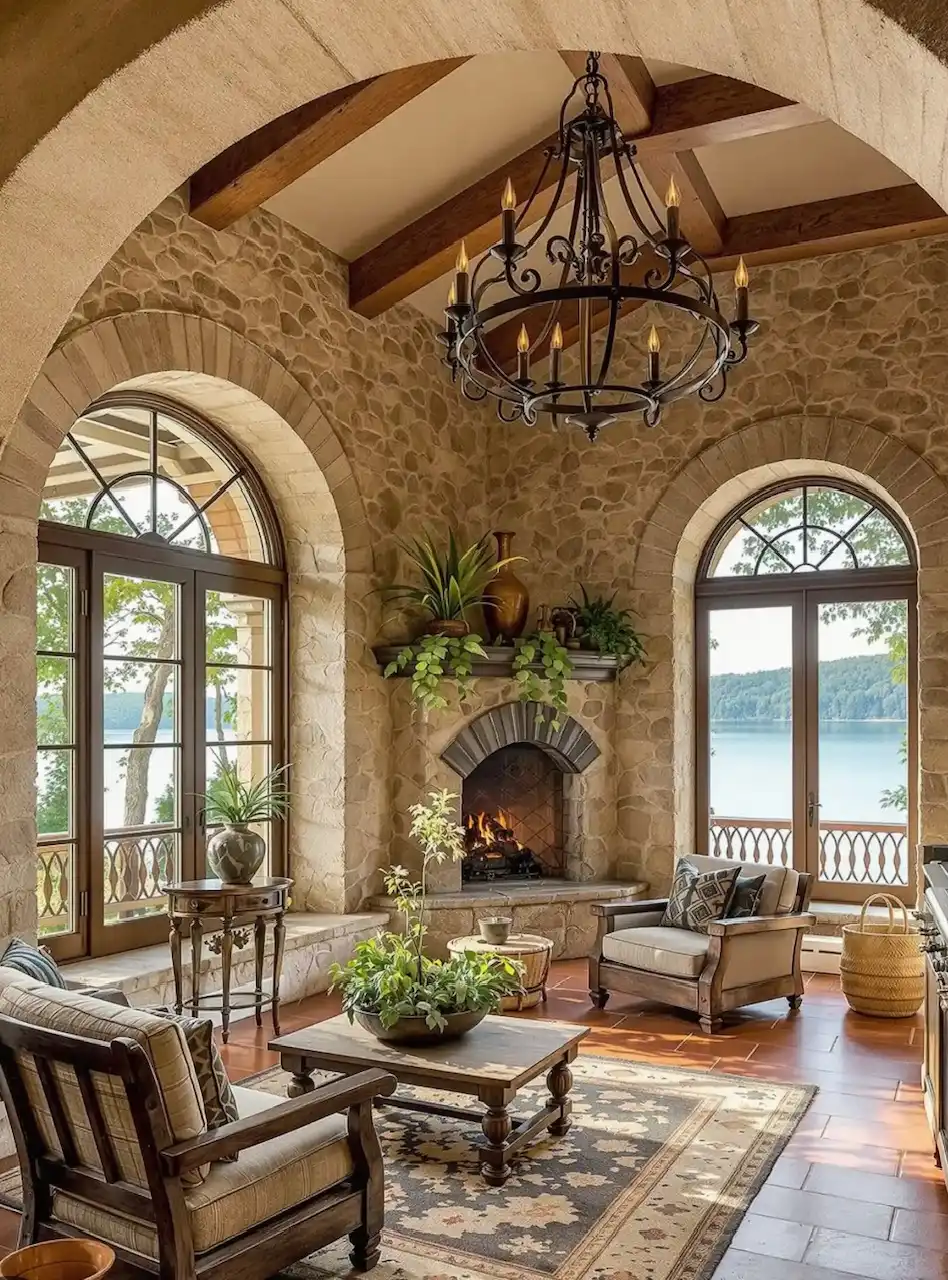
Luxury home design is far more than aesthetics, materials, or square footage. At its highest level, luxury is an expression of culture, reflecting how people live, entertain, rest, and relate to privacy, family, and status. Across the world, cultural values shape everything from floor plans and spatial flow to materials, symbolism, and technology integration.
Understanding these cultural differences is essential for architects, developers, and homeowners designing high-end residences in a global market.
Luxury as a Cultural Expression
What defines “luxury” varies dramatically by region. In some cultures, luxury is rooted in grandeur and visibility; in others, it is defined by discretion, craftsmanship, and serenity. These differences influence how homes are designed, experienced, and valued.
A truly successful luxury home aligns not just with wealth, but with cultural expectations of comfort, hospitality, and identity.
Western Luxury: Privacy, Individualism, and Open Living
In North America and much of Europe, luxury homes often emphasize:
- Privacy and personal space
- Open-plan living areas
- Strong indoor–outdoor connections
- Statement kitchens and entertainment zones
Western luxury reflects individualism and lifestyle flexibility. Homes are designed to adapt to changing needs – home offices, gyms, and media rooms are standard features. Technology integration is seamless, and design tends to favor clean lines, neutral palettes, and minimal ornamentation.
In Europe, particularly in countries like France and Italy, historic preservation and craftsmanship play a significant role, blending modern comfort with classical architectural language.
Middle Eastern Luxury: Grandeur, Hospitality, and Separation
Luxury homes in the Middle East often prioritize:
- Scale and architectural presence
- Formal hospitality spaces
- Clear separation between public and private areas
- High levels of privacy and security
Cultural emphasis on hosting and family gatherings leads to expansive reception halls, multiple living rooms, and dedicated guest areas. Design often includes rich materials, intricate detailing, and dramatic entrances, while respecting traditions around privacy, especially between family and guests.
Courtyards, water features, and climate-responsive design are central elements, reflecting both cultural heritage and environmental needs.
Asian Luxury: Balance, Harmony, and Subtlety
In many Asian cultures, luxury is expressed through restraint rather than excess. Homes often reflect principles of balance, flow, and harmony.
Key characteristics include:
- Thoughtful spatial sequencing
- Strong connection to nature
- Minimalism with high-quality craftsmanship
- Design influenced by Feng Shui or Vastu
Rather than showcasing wealth overtly, Asian luxury focuses on serenity, wellness, and longevity. Materials are chosen for texture and meaning, and spaces are designed to promote calm, efficiency, and purposeful living.
Privacy is important, but so is family cohesion, resulting in homes that carefully balance communal and private spaces.
African Luxury: Community, Climate, and Cultural Identity
Luxury home design across Africa is deeply connected to environment and tradition. Rather than uniformity, African luxury is defined by regional diversity.
Common themes include:
- Indoor–outdoor living adapted to climate
- Use of local materials and craftsmanship
- Spaces designed for extended family and community
- Strong cultural symbolism in design
Luxury homes may include courtyards, verandas, and shared gathering spaces, emphasizing connection rather than isolation. Sustainability and climate responsiveness are not trends but necessities, shaping architecture that feels both modern and rooted.
Latin American Luxury: Social Living and Expressive Design
In Latin America, luxury homes often center around social interaction and warmth.
Design elements frequently include:
- Central courtyards or patios
- Vibrant materials and textures
- Strong indoor–outdoor integration
- Homes designed for entertaining
Family life and hospitality influence layouts, with generous communal spaces and fluid transitions between interior and exterior environments. Privacy is respected, but not at the expense of connection.
The Globalization of Luxury Design
As global mobility increases, luxury homes are becoming increasingly hybrid. International clients often blend cultural influences—combining Western technology with Eastern spatial philosophy or Middle Eastern scale with European refinement.
This fusion requires sensitivity. True luxury is not about copying styles, but about understanding how culture shapes daily life.
Designing Culturally Intelligent Luxury Homes
For architects and designers, cultural intelligence is now a core skill. It requires:
- Listening deeply to clients’ values and traditions
- Understanding cultural attitudes toward space, privacy, and status
- Designing homes that feel intuitive, not imposed
The most successful luxury homes are those that feel authentic—spaces where design supports identity rather than overshadows it.
Final Thoughts: Luxury Beyond Borders
Luxury home design is ultimately about how people live, not how much they spend. Cultural context transforms architecture from a status symbol into a meaningful home.
