

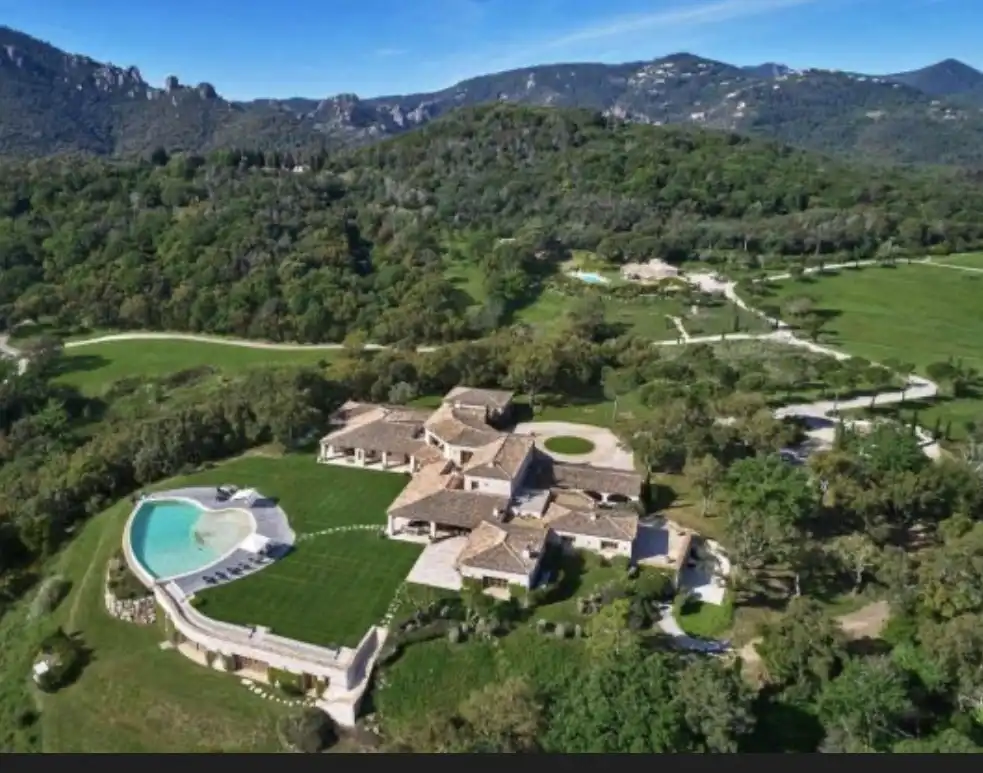
In an age where independence is prized and families are often scattered across cities – or continents – the idea of building a family compound may seem unconventional. Yet, for many families, the concept is making a strong comeback. A family compound offers a thoughtful blend of privacy, community, shared resources, and long-term security. Whether driven by cultural traditions, economic considerations, or a desire for deeper connection, building a family compound can be a powerful investment in both property and relationships.
What Is a Family Compound?
A family compound is a shared piece of land that includes multiple homes or living units designed for extended family members. These homes may be fully separate residences or clustered around shared spaces such as courtyards, gardens, or communal facilities. Unlike cohabitation in a single house, a compound allows family members to live independently while remaining physically close.
Family compounds have long existed in many cultures around the world, particularly in Africa, Asia, and the Middle East. Today, they are being reimagined to suit modern lifestyles, zoning laws, and design preferences.
Why Build a Family Compound?
1. Strengthening Family Bonds
Living nearby encourages daily interaction – shared meals, childcare support, celebrations, and mutual care. Children benefit from growing up surrounded by relatives, while elders enjoy companionship and assistance without losing autonomy.
2. Economic Advantages
Pooling resources can significantly reduce costs. Land purchases, construction, utilities, security, and maintenance expenses are often more affordable when shared. Over time, a compound can also become a valuable multigenerational asset.
3. Shared Responsibilities
From childcare to elder care, family compounds allow responsibilities to be distributed more evenly. This can ease stress on working parents and reduce the need for external services.
4. Cultural and Legacy Preservation
For families that value tradition, a compound can serve as a physical anchor for heritage, customs, and shared identity. It becomes a place where stories, values, and memories are passed down.
Key Considerations Before You Build
While the idea is appealing, building a family compound requires careful planning and open communication.
1. Land and Zoning Laws
Before purchasing land, research local zoning regulations, building codes, and property laws. Some areas restrict multiple dwellings on a single plot or require special permits. Consulting a local planner or architect early can prevent costly mistakes.
2. Family Alignment and Governance
Not every family functions the same way. Clear agreements are essential:
- Who owns what?
- How are costs shared?
- What happens if someone wants to leave or sell?
- How are decisions made?
Creating written agreements or even a family charter can help avoid misunderstandings later.
3. Design for Privacy and Community
A successful compound balances togetherness with personal space. Thoughtful design is critical, separate entrances, soundproofing, and private outdoor areas can coexist with shared kitchens, gardens, or recreational spaces.
4. Infrastructure and Utilities
Consider water, electricity, waste management, internet access, and security. Shared systems can reduce costs, but they must be reliable and scalable as the family grows.
Designing the Ideal Family Compound
Modern family compounds come in many forms. Some resemble small villages with walkways and shared courtyards, while others look like a cluster of townhomes or bungalows around a central hub.
Popular shared features include:
- A communal kitchen or event hall
- Playgrounds or open green spaces
- Guest houses
- Home offices or workshops
- Gardens or small farms
Sustainable design is also becoming a priority, with solar energy, rainwater harvesting, and eco-friendly materials reducing long-term costs and environmental impact.
Building a family compound is more than a real estate project. It’s a lifestyle choice. It requires vision, cooperation, and patience, but the rewards can be profound. A well-planned compound offers stability, shared prosperity, and a sense of belonging that’s increasingly rare in modern life.
