

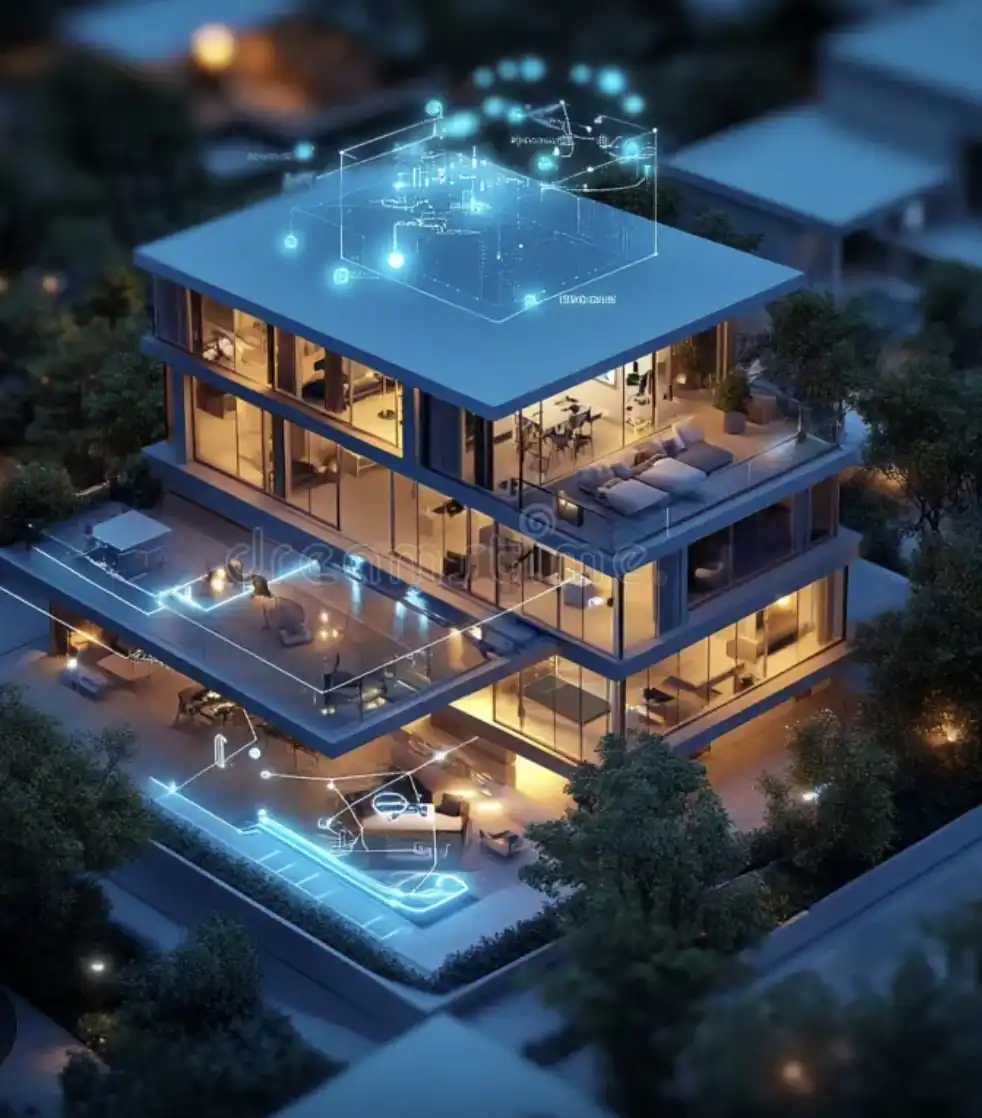
As luxury homes become smarter, larger, and more connected, cybersecurity has emerged as a critical component of modern residential design. Today’s smart mansions integrate lighting, climate, security, entertainment, and even wellness systems into a single digital ecosystem. While this connectivity offers unparalleled convenience and control, it also introduces new vulnerabilities.
For owners of smart mansions, cybersecurity is no longer an IT concern, it is a core element of privacy, safety, and asset protection.
The Hidden Risks of Smart Luxury Living
Smart mansions rely on dozens, sometimes hundreds, of connected devices. From access control and surveillance cameras to voice assistants and automated shades, each connected system represents a potential entry point for cyber threats.
Without proper safeguards, vulnerabilities can lead to:
- Unauthorized access to security systems
- Surveillance through hacked cameras or microphones
- Theft of personal data and digital credentials
- Exposure of daily routines and travel schedules
In ultra-luxury environments, these risks are amplified by high-profile owners, valuable assets, and the expectation of absolute discretion.
Why Smart Mansions Are High-Value Targets
Cybercriminals increasingly target luxury properties for both financial and strategic reasons. A compromised smart mansion can provide insights into occupant behavior, staff schedules, and security protocols – information that extends far beyond digital harm.
Additionally, high-net-worth individuals often operate businesses, investments, and private communications from home, making residential networks as sensitive as corporate environments.
Core Principles of Cybersecurity for Smart Mansions
Future-ready cybersecurity strategies are built into the home from the ground up, not added as an afterthought.
1. Network Segmentation
A smart mansion should never operate on a single network. Critical systems such as security, access control, and surveillance must be isolated from entertainment, guest Wi-Fi, and personal devices. Segmentation ensures that a breach in one area cannot compromise the entire system.
2. Enterprise-Grade Infrastructure
Luxury homes require enterprise-level routers, firewalls, and managed switches. Consumer-grade equipment is insufficient for the scale and complexity of a smart mansion. Hardwired connections should be prioritized wherever possible for stability and security.
3. Secure Device Selection
Not all smart devices are created equal. Devices should be selected based on:
- Proven security track records
- Regular firmware updates
- Encrypted communication protocols
- Long-term manufacturer support
Cheap or unsupported devices introduce unacceptable risk into high-value environments.
Human Factors: The Weakest Link
Even the most advanced systems can be undermined by human behavior. Staff, guests, and family members often interact with smart systems daily.
Key strategies include:
- Role-based access controls for staff
- Limited permissions for guests and temporary users
- Regular password rotation and multi-factor authentication
- Clear cybersecurity training for household staff
Cybersecurity is as much about people and processes as it is about technology.
Privacy by Design
In smart mansions, privacy must be intentional. This means carefully evaluating what data is collected, stored, and shared.
Best practices include:
- Local data storage instead of cloud-based systems where possible
- Encrypted backups stored off-site
- Manual overrides for cameras and microphones
- Transparent system logs and monitoring
Discretion is a defining feature of luxury, and digital privacy should be treated with the same importance as physical security.
Continuous Monitoring and Maintenance
Cybersecurity is not a one-time installation – it is an ongoing process. Smart mansions require:
- Regular system audits and penetration testing
- Continuous monitoring for unusual network activity
- Prompt software and firmware updates
- A dedicated cybersecurity response plan
Many high-net-worth homeowners now engage managed security services to oversee their residential networks around the clock.
Integrating Cybersecurity During Design and Construction
The most secure smart mansions are designed with cybersecurity in mind from the earliest stages. Architects, builders, and technology consultants must collaborate to ensure:
- Secure equipment rooms with restricted access
- Redundant systems and power backups
- Concealed cabling and protected network infrastructure
Retrofitting cybersecurity into an existing mansion is far more costly and less effective than integrating it during construction.
The Future of Smart Mansion Security
As artificial intelligence, biometrics, and automation advance, cybersecurity threats will continue to evolve. Future-ready mansions will rely on:
- AI-driven threat detection
- Biometric authentication systems
- Zero-trust network architectures
- Greater convergence between physical and digital security
Luxury homeowners who invest in cybersecurity today are protecting not just their homes, but their privacy, reputation, and peace of mind.
