

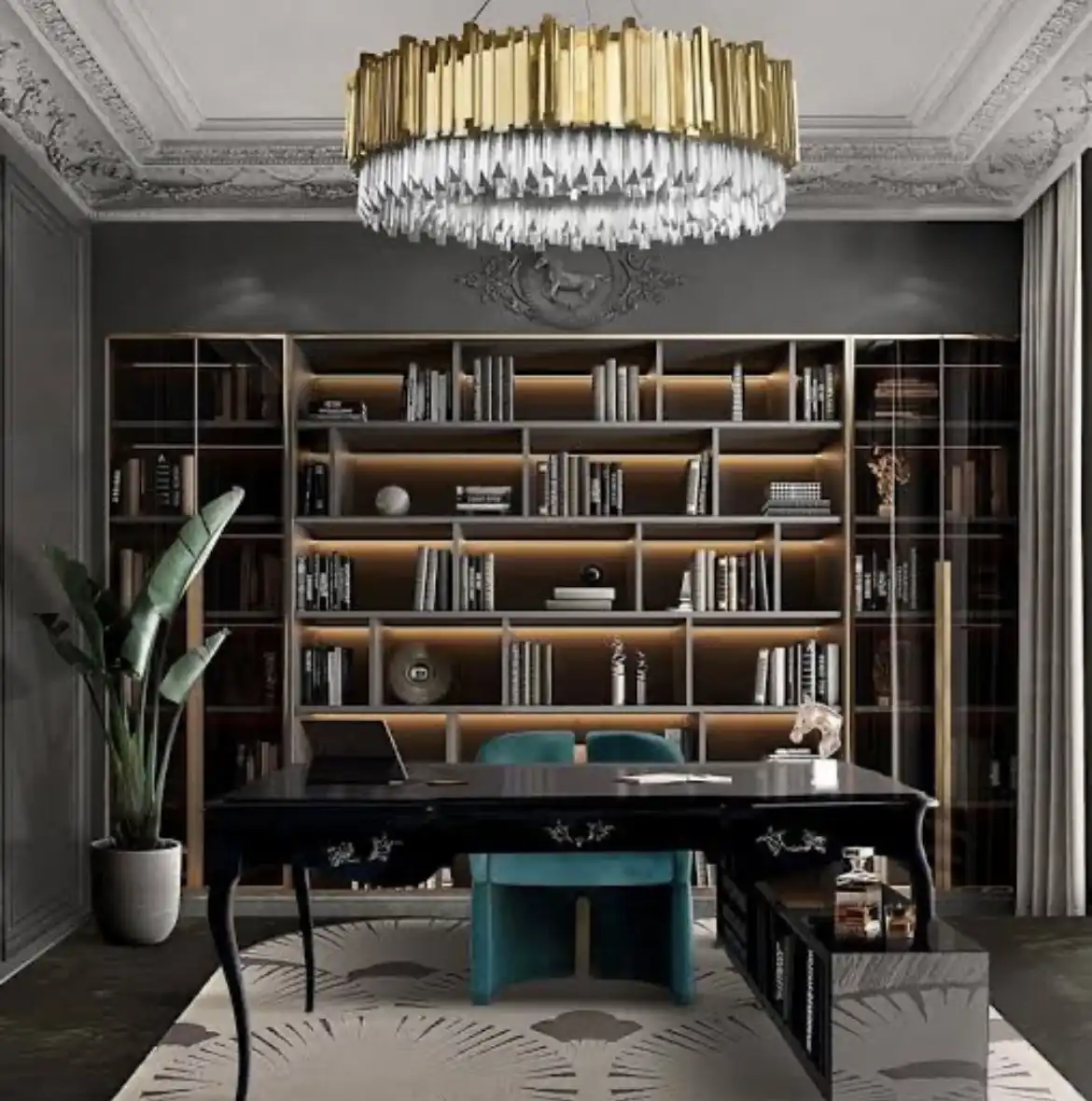
Owning a $10M+ property is more than a statement of success. It is a long-term investment, a lifestyle asset, and often a generational legacy. As technology, climate, and lifestyles evolve at unprecedented speed, future-proofing a luxury property is no longer optional. The most valuable estates of tomorrow will be those designed today with adaptability, resilience, and foresight in mind.
Future-proofing ensures that a property remains functional, desirable, and valuable for decades to come, regardless of market shifts or technological change.
1. Design with Timeless Architecture and Flexible Spaces
Trends fade quickly at the high end of the market. While bold design can be appealing, timeless architecture preserves long-term appeal and resale value. Clean lines, quality proportions, and enduring materials age far better than ultra-specific stylistic statements.
Equally important is flexibility. A future-proof luxury home should include:
- Convertible rooms that can serve as offices, gyms, or guest suites
- Multi-generational living spaces with private entrances
- Ceiling heights and structural allowances that support future renovations
Designing with flexibility ensures the property evolves alongside changing lifestyles without requiring major structural overhauls.
2. Invest in Infrastructure, Not Just Finishes
While marble, rare woods, and bespoke fixtures define luxury, infrastructure determines longevity. The most future-ready properties prioritize what’s behind the walls.
Key infrastructure considerations include:
- Oversized electrical capacity for future technologies
- Conduit pathways for evolving wiring needs
- Robust plumbing systems designed for expansion
- Reinforced structural loads for potential upgrades
These investments may be invisible, but they protect the property from early obsolescence and costly retrofits.
3. Integrate Smart Technology – Strategically
Technology should enhance living, not complicate it. In ultra-luxury properties, smart systems must be scalable, secure, and brand-agnostic.
Best practices include:
- Centralized control systems with modular upgrades
- Hardwired networks rather than Wi-Fi-only solutions
- Cybersecurity protections for smart homes
- Manual overrides for all automated systems
Future-proofing means designing a home that can adapt to new technologies without locking into proprietary platforms that may become obsolete.
4. Prioritize Sustainability and Energy Independence
Sustainability is no longer a trend, it is a value driver. High-net-worth buyers increasingly expect environmentally responsible properties that reduce operational costs and regulatory risk.
Forward-thinking features include:
- Solar power with battery storage
- Energy-efficient HVAC and insulation systems
- Water recycling and rainwater harvesting
- Passive design principles for natural cooling and lighting
Properties that achieve energy resilience are better protected against rising utility costs, climate instability, and future environmental regulations.
5. Build Climate Resilience into the Property
Climate risk is a growing concern for luxury real estate, especially in coastal, desert, and wildfire-prone regions. Future-proofing a $10M+ property requires proactive resilience planning.
This may involve:
- Elevated foundations or flood mitigation systems
- Fire-resistant materials and landscaping
- Advanced drainage and stormwater management
- Heat-resilient building envelopes
Resilient properties not only protect lives and assets but also retain insurability, an increasingly critical factor in premium real estate markets.
6. Design for Wellness and Longevity
The future of luxury is wellness. Properties that support physical, mental, and emotional well-being command long-term desirability.
Wellness-oriented features include:
- Advanced air and water filtration systems
- Natural light optimization and circadian lighting
- Soundproofing and acoustic engineering
- Spa-level amenities such as saunas, cold plunges, and meditation spaces
These elements enhance daily living while aligning with the growing global emphasis on health and longevity.
7. Plan for Privacy and Security in a Digital World
As properties become more connected, privacy and security become paramount. High-value homes must protect both physical and digital assets.
Future-ready security strategies include:
- Layered perimeter security and access control
- Secure data networks and encrypted systems
- Discreet surveillance with minimal visual intrusion
- Safe rooms or secure areas designed into the architecture
A future-proof property balances openness and luxury with discretion and protection.
8. Think in Generational Terms
A $10M+ property is rarely just for one phase of life. Future-proofing means anticipating ownership transitions, inheritance, and evolving family structures.
Consider:
- Separate living quarters for staff or extended family
- Zoning flexibility for subdivision or expansion
- Estate planning alignment with property ownership
- Design choices that appeal across generations
When a property can adapt to new owners without losing its identity, its long-term value is secured.
Future-proofing a $10M+ property is not about predicting the future perfectly. It’s about preparing for change intelligently. The most enduring luxury properties are those built with adaptability, resilience, and restraint.
By investing in strong foundations, flexible design, sustainable systems, and timeless aesthetics, owners protect not only their capital but also their lifestyle and legacy. In the ultra-luxury market, true value lies not in what dazzles today, but in what endures tomorrow.
