

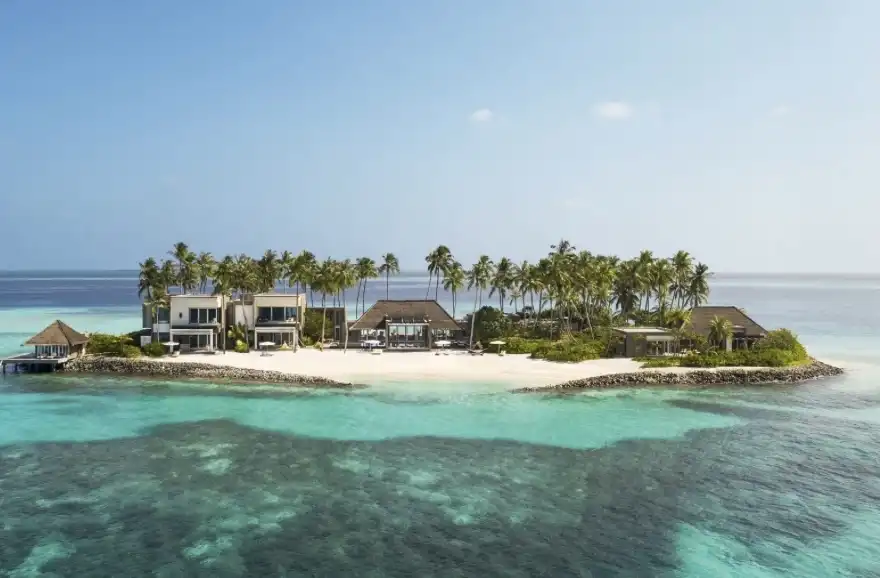
Owning a private island is the ultimate symbol of luxury, freedom, and exclusivity. For some, it’s a dream vacation destination; for others, it’s a permanent escape from the hustle and bustle of everyday life. But beyond the allure of turquoise waters and pristine beaches, buying a private island involves careful planning, significant investment, and lifestyle considerations. Here’s a closer look at what it really means to own your own slice of paradise.
The Allure of Private Island Ownership
A private island offers unparalleled privacy and control over your environment. Unlike resorts or waterfront homes, you dictate everything—from the architecture and landscaping to the activities you enjoy. Owning an island means:
- Complete seclusion: Ideal for celebrities, entrepreneurs, or anyone craving escape from public life.
- Personalized design: Build your dream home, villa, or eco-resort without compromise.
- Investment potential: Unique properties like islands can appreciate over time, particularly in prime locations.
It’s not just a property; it’s a lifestyle statement.
Costs of Owning a Private Island
While private islands are a symbol of ultimate luxury, the costs go far beyond the purchase price. Here’s a breakdown:
- Purchase Price
- Small, undeveloped islands can start around $100,000–$500,000.
- Developed or prime Caribbean and Mediterranean islands can range from $5 million to over $100 million.
- Development and Infrastructure
- Building homes, docks, and utilities on a remote island can be costly.
- Electricity, water supply, internet, and waste management require significant investment.
- Maintenance
- Regular upkeep includes landscaping, security, cleaning, and repairs.
- Weather can impact costs—hurricanes, tropical storms, and erosion are real concerns.
- Taxes and Legal Considerations
- Property taxes vary depending on the country and local laws.
- Some nations restrict foreign ownership, so legal counsel is essential.
Lifestyle of Private Island Owners
Owning a private island offers a unique lifestyle, but it comes with both perks and responsibilities.
Perks:
- Ultimate Privacy: Enjoy uninterrupted relaxation without neighbors or crowds.
- Custom Recreation: Beaches, boating, fishing, diving, and water sports at your doorstep.
- Exclusive Gatherings: Host private events or retreats in your own secluded paradise.
Considerations:
- Logistics: Accessing supplies, managing staff, and arranging transport can be complex.
- Emergency Preparedness: Medical facilities and evacuation plans are crucial.
- Seasonal Living: Many owners spend part of the year on the island and part elsewhere, depending on climate and accessibility.
Tips for Prospective Island Buyers
- Hire Experts: Work with brokers who specialize in private islands—they understand local laws, development costs, and hidden challenges.
- Visit Before Buying: Spending time on the island in different seasons reveals essential insights about weather, accessibility, and living conditions.
- Plan for Self-Sufficiency: Consider renewable energy, desalination, and food production for long-term sustainability.
- Budget Wisely: The purchase price is just the beginning; ongoing costs can be substantial.
Owning a private island is more than a real estate investment. It’s a lifestyle that blends luxury, adventure, and freedom. From secluded beaches to custom-built villas, an island offers a personal paradise, but it requires careful planning, a realistic budget, and a willingness to embrace both the pleasures and responsibilities of remote living.
