

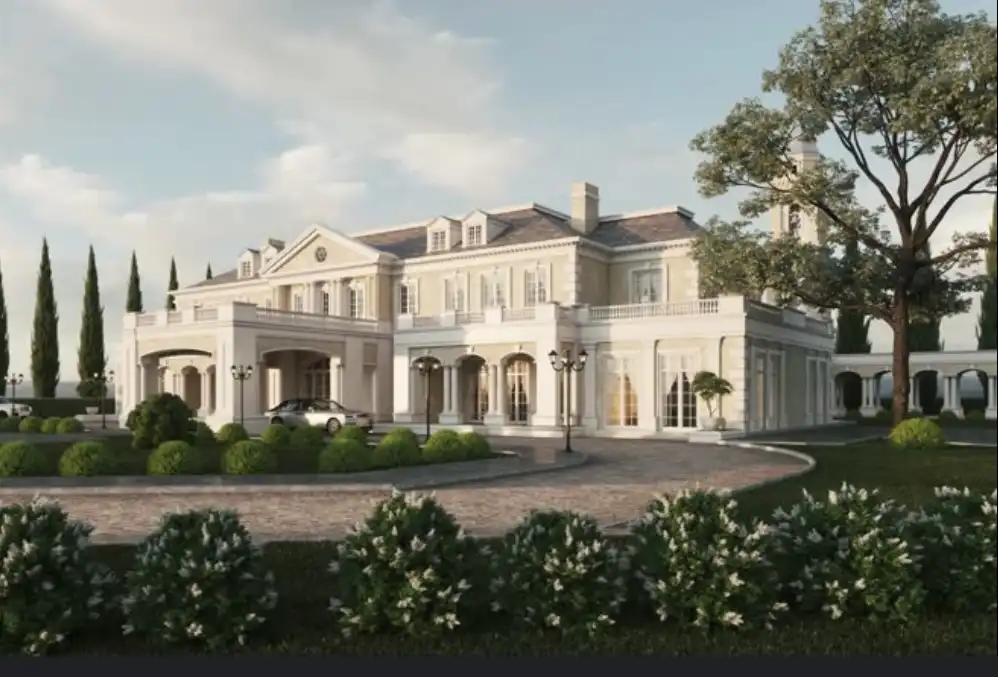
Across the United States, a strange phenomenon is emerging in the luxury housing market – multi-million-dollar mansions are increasingly standing vacant. Homes priced over $30 million are four times more likely to be unoccupied than typical properties in the same zip codes. And in iconic cities such as New York and Los Angeles, some ultra-luxury towers have reported vacancy rates surpassing 30%. But why are these multimillion-dollar properties remaining empty?
Luxury Homes as Status Symbols, Not Homes
In the world of the ultra-wealthy, the acquisition of luxury properties often transcends the need for a practical living space. Instead, these homes are treated more like works of fine art or investment pieces. These opulent estates, which may feature helipads, private spas, and in-home theaters, are symbols of wealth, power, and exclusivity. Many of these estates are used as occasional getaway spots, with owners visiting only a few weeks each year—if at all.
The increasing use of real estate as a status symbol – rather than a functional living space – has led to a rise in properties that are rarely occupied. For billionaires and moguls, owning a $50 million mansion is no longer about having a home to live in. It’s about securing a place in the highest echelons of society.
An Investment in Real Estate, Not Lifestyle
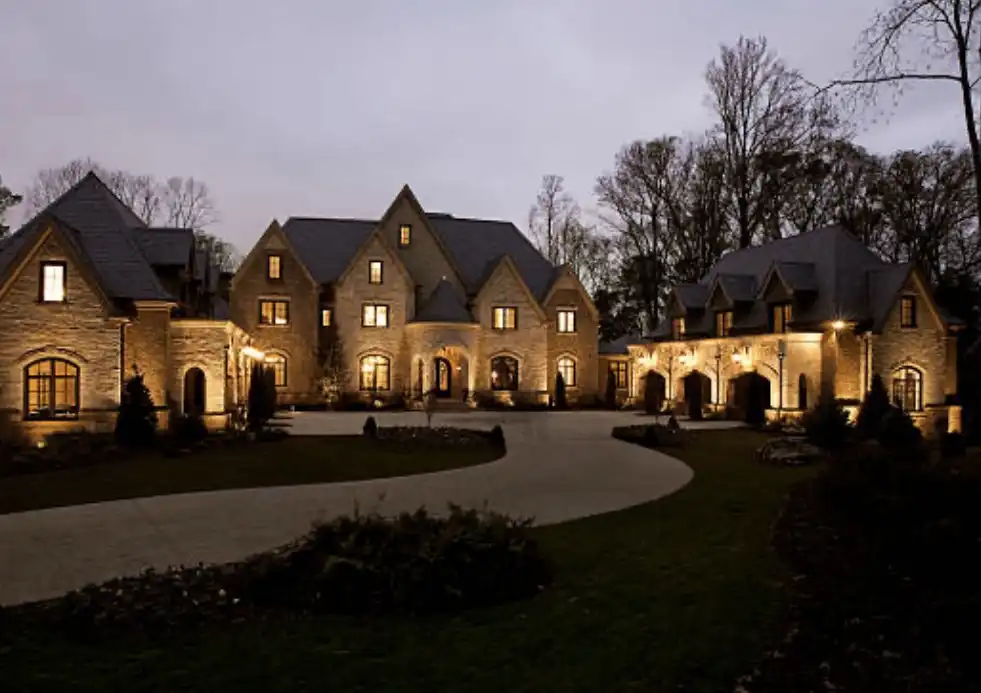
Another driving factor is the growing trend of wealthy individuals treating real estate like an investment portfolio. Many of these mansions are purchased not for personal use, but with the expectation of future financial gain. The high demand for luxury real estate has led to a boom in property values, with elite buyers viewing their homes as assets that will appreciate over time.
Global Mobility and Remote Work
Wealthy buyers are often not bound by geographic location. In an era of globalization and remote work, many of the world’s billionaires and top executives split their time between multiple homes across the globe. This global lifestyle further drives up the vacancy rate of luxury homes. Rather than keeping one “home” in the traditional sense, they often spread their time across their portfolio of properties, leaving others vacant for long stretches.
The Appeal of Privacy and Seclusion
Ultra-wealthy buyers also value privacy and seclusion above all else. For many, a luxury property is an escape from the prying eyes of the public, and as a result, these homes are not typically used for entertaining large groups or socializing. Instead, they are private sanctuaries. They are places to retreat from the outside world when needed, but not for everyday living.
Tax Benefits and Loopholes
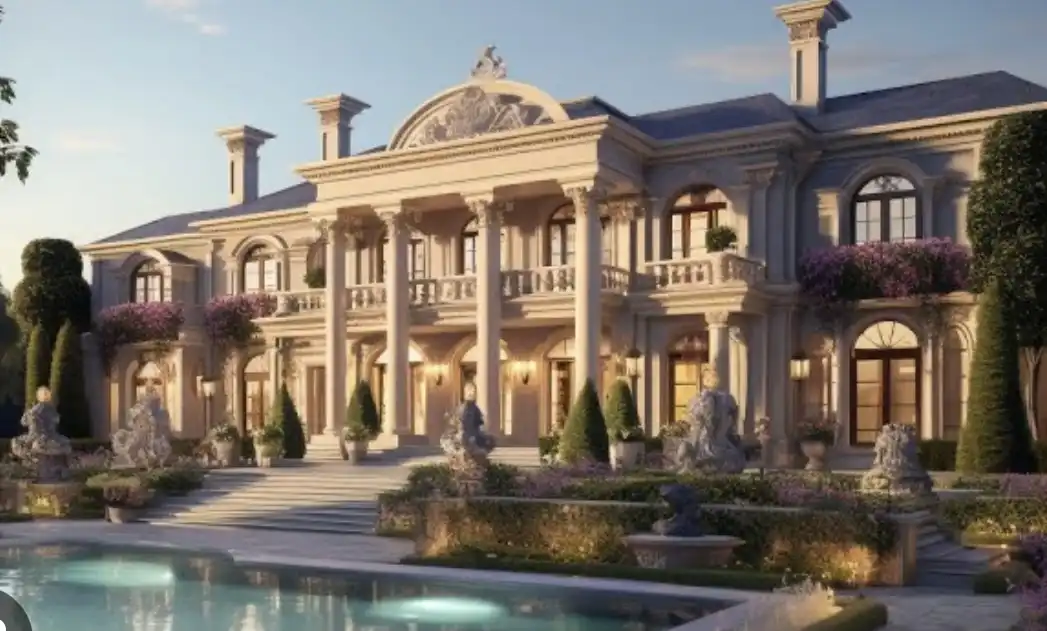
In some cases, there are tax incentives that encourage the purchase of expensive real estate, even if the property will remain vacant for most of the year. Certain states, such as Florida and Texas, have no state income taxes, making them an attractive option for wealthy individuals who want to preserve their wealth while also gaining access to real estate assets that could appreciate over time.
Luxury properties can be used as collateral for loans, enabling owners to use them as a way to secure capital for other investments. Tax laws also allow some property owners to benefit from deductions related to the upkeep and maintenance of these empty homes.
The rising vacancy rates in the ultra-luxury housing market are a sign of a changing landscape in the world of real estate. As billionaires treat their homes as symbols of status or investments rather than as places to live, there are a growing number of mansions that are never truly inhabited. One thing is clear – for some, the definition of “home” is rapidly changing. It’s no longer about a place to live—it’s about a symbol of wealth, status, and exclusivity.
