

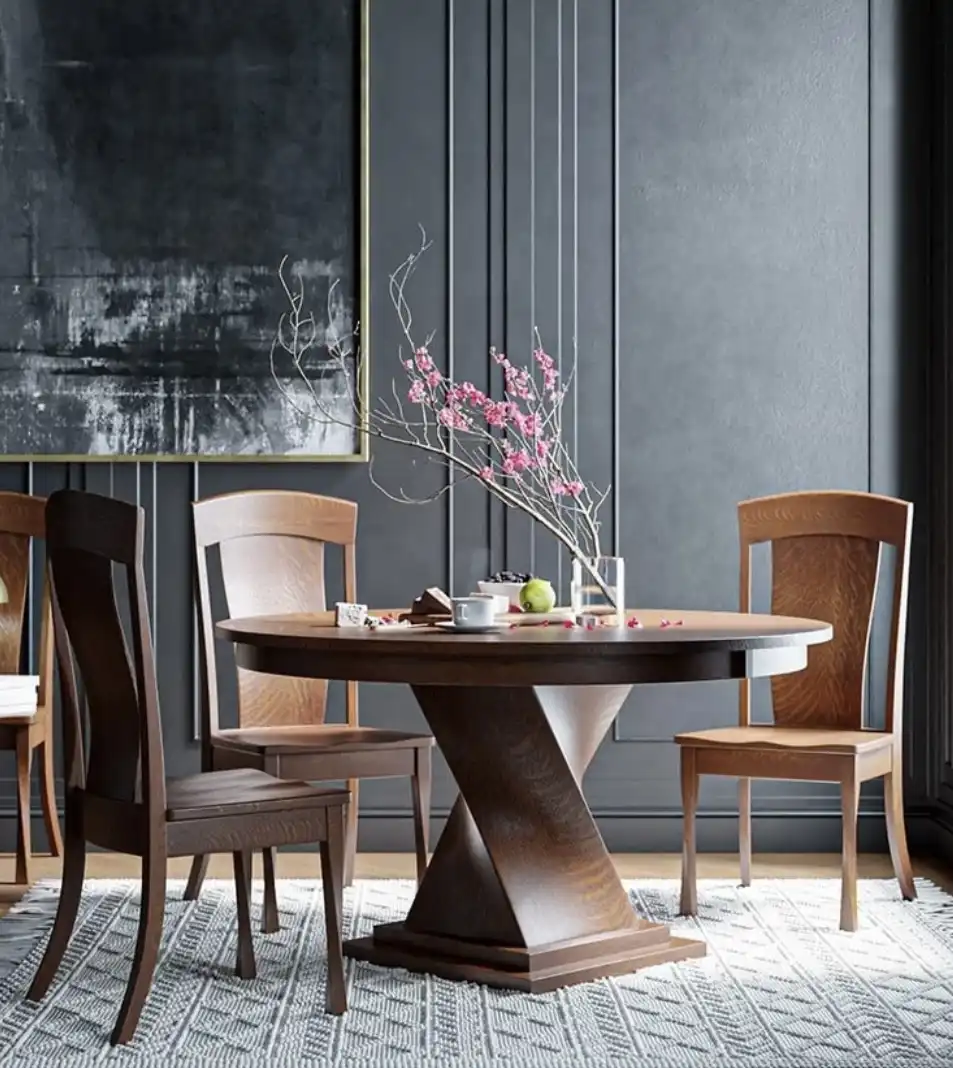
In a world driven by speed, automation, and mass production, old-style craftsmanship continues to stand apart. While technology has transformed how we build, furnish, and finish our homes, the most admired spaces still share one common trait: the unmistakable touch of human skill. From hand-carved stone to bespoke woodwork, traditional craftsmanship endures not out of nostalgia, but because it delivers something modern shortcuts cannot—lasting value.
Craftsmanship Is Time Made Visible
Old-style craftsmanship is defined by patience. Every joint, curve, stitch, and finish reflects hours – sometimes months – of focused labor. This time investment is not inefficiency – it is intention.
Unlike mass-produced components, handcrafted elements carry subtle variations that give spaces warmth and character. These details cannot be replicated by machines, and they age with dignity rather than degradation.
In a luxury context, time itself has become the rarest commodity and craftsmanship is time embodied.
Materials Are Understood, Not Forced
Traditional artisans work with materials, not against them. Stone is carved according to its grain. Wood is seasoned and shaped based on its natural movement. Metals are forged with respect for their strength and limits.
This deep material knowledge results in:
- Stronger structural integrity
- Fewer failures over time
- Finishes that improve with age
- Repairs that are possible rather than destructive
Modern shortcuts often prioritize speed over compatibility, leading to premature wear and costly replacements.
Longevity Outperforms Trends
Design trends evolve rapidly, but craftsmanship is inherently timeless. A hand-built staircase, a mortise-and-tenon door, or a lime-plastered wall does not belong to a particular decade. It belongs to the building.
Old-style craftsmanship wins because it is not designed to impress briefly. It is designed to endure. Homes built with care and skill remain desirable for generations, while trend-driven builds often require constant updating to stay relevant.
Precision You Can Feel
There is a physical difference between something that is made well and something that is assembled. Doors close differently. Floors sound different underfoot. Hardware has weight and balance.
These tactile qualities define how a space feels long after the visual impression fades. Craftsmanship enhances daily living in ways that are subtle but profound creating comfort, confidence, and quiet satisfaction.
Repairability Is a Hidden Luxury
One of the most overlooked advantages of old-style craftsmanship is repairability. Handcrafted elements can be restored, refinished, and adjusted over time.
In contrast, many modern systems are:
- Sealed, glued, or fused
- Dependent on proprietary components
- Designed for replacement rather than repair
A hand-built window can be maintained for a century. A factory-sealed unit may last only a decade. True luxury is not replacing, it is preserving.
Craftsmanship Carries Human Legacy
Every handcrafted element tells a story – not just of the homeowner – but of the maker. Artisans pass skills through generations, refining techniques that have survived centuries.
When craftsmanship is preserved, cultural knowledge survives with it. Homes become more than assets; they become repositories of human skill and history.
In an increasingly digital world, this human connection has become deeply valuable.
Sustainability Through Permanence
Sustainability is often discussed in terms of technology, but longevity is its most powerful expression. Buildings that last reduce waste, resource consumption, and environmental impact.
Old-style craftsmanship supports sustainability by:
- Using durable, natural materials
- Enabling repair instead of replacement
- Avoiding disposable construction methods
- Creating buildings meant to outlive trends
What lasts is inherently sustainable.
Craftsmanship as a Mark of Discernment
Today, choosing craftsmanship is a conscious decision. It signals discernment, patience, and an appreciation for quality over convenience.
In luxury homes, old-style craftsmanship often appears in:
- Hand-finished stone and plasterwork
- Bespoke cabinetry and millwork
- Custom metalwork and hardware
- Traditional joinery and structural detailing
Craftsmanship does not shout – it quietly endures.
